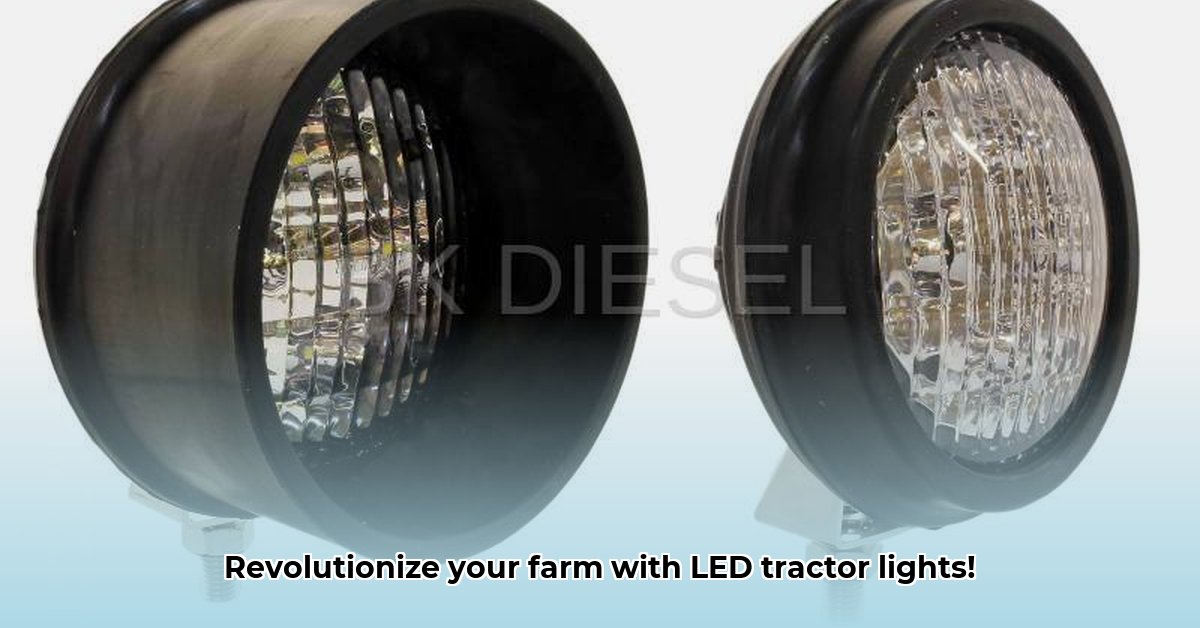
Light Tractor LED Upgrades: Illuminating Your Farm's Future
Ready to boost your farm's efficiency and sustainability? Upgrading your light tractor's lighting system to LEDs is a game-changer for 2025 and beyond. This isn't just about brighter lights; it's about smarter, more sustainable farming. For more on agricultural equipment, check out this helpful resource: Kubota Tractor Info.
Why Swap to LEDs on Your Light Tractor?
Forget outdated halogen or HID lights. LEDs offer superior energy efficiency, resulting in lower electricity bills and a reduced carbon footprint—beneficial for both your budget and the environment. Their significantly longer lifespan means less time and money spent on replacements. This translates to fewer headaches and more time focused on what truly matters: your farm’s productivity. Isn't that a worthwhile trade-off?
Picking the Perfect LEDs for Your Light Tractor
Selecting the right LED setup is crucial. Consider these key factors:
- Brightness (Lumens): Higher lumens indicate brighter illumination. Think of it like comparing a flashlight to a spotlight – more lumens equals more powerful illumination.
- Energy Use (Watts): Lower wattage translates to lower energy bills and decreased environmental impact.
- Durability: Invest in lights built to withstand harsh farm conditions—rain, dust, and vibrations. A high Ingress Protection (IP) rating signals excellent weather resistance.
- Mounting: Ensure compatibility with your tractor's existing mounting system for a seamless installation.
- Budget: LEDs vary in price. Find the optimal balance between your needs and budget. Consider a staged upgrade rather than a complete overhaul if necessary.
Installing LED Lights: A Simple Step-by-Step Guide
Upgrading your light tractor's lighting is surprisingly straightforward. Follow these steps:
- Safety First: Always disconnect the tractor's battery before commencing any electrical work. This is non-negotiable for your safety.
- Removing Old Lights: Carefully remove the existing lights, noting the wiring configuration. Taking pictures can be invaluable.
- Mounting New LEDs: Securely attach the new LED lights to their designated mounting points. Ensure stability and a snug fit.
- Wiring: Connect the new LEDs according to the provided wiring diagram. If unsure, seek professional assistance.
- Testing: Turn on the tractor and verify proper functionality.
Tackling Potential Challenges: A Realistic Approach
While the advantages of LED lighting are highly compelling, let’s address potential hurdles:
| Challenge | Solutions |
|---|---|
| High Upfront Cost | Explore government grants or subsidies for sustainable agriculture. Consider financing options or phased upgrades. |
| Lack of Standardization | Opt for modular systems readily adaptable to various tractor models. |
| Weather Damage | Choose lights with high IP ratings (e.g., IP67 for dust and water resistance). |
Long-Term Payoff: More Than Just Brighter Nights
The benefits of LED lighting extend beyond enhanced visibility. You're investing in long-term cost savings, increased efficiency, and a more environmentally friendly farming operation. While the initial investment might seem significant, the cumulative energy savings will likely surpass the initial cost. Track your energy consumption to witness the savings firsthand. The results will surprise you!
How to Compare Different LED Tractor Light Brands for Long-Term Cost Savings
The initial investment in LEDs might appear substantial, but the long-term advantages—increased productivity, enhanced safety, and reduced energy bills—make it a worthwhile investment. Let's explore how to compare LED tractor light brands for optimal long-term cost savings.
Understanding LED Technology for Agriculture
LEDs aren't merely brighter; they're more efficient. They dramatically reduce energy consumption compared to traditional bulbs, translating to fuel savings and a diminished carbon footprint. Their extended lifespan minimizes replacements, lowering maintenance costs. This is a clear win for both your bottom line and the environment.
Key Factors for Comparing Brands
- Lumen Output: This quantifies brightness. Higher lumens translate to better visibility, crucial for nighttime fieldwork.
- Beam Pattern: Various beam patterns (spot, flood, spread) cater to different tasks. Match the pattern to your operational needs.
- Durability and Weather Resistance: Tractor lights endure harsh conditions. Look for robust designs with high IP ratings for water and dust resistance.
- Warranty: A comprehensive warranty reflects the manufacturer's confidence in the product's quality and longevity.
- Power Consumption (Watts): Lower wattage signifies reduced energy usage, directly impacting cost savings.
- Mounting Options and Compatibility: Ensure compatibility with your tractor's mounting system.
- Price vs. Lifespan: Assess the total cost of ownership (TCO): the initial price plus replacement costs over the lifespan. This gives a true picture of long-term value.
Step-by-Step Guide to Evaluating LED Tractor Lights
- Assess Needs: Define lighting requirements based on your farming operations and typical working hours.
- Research Brands: Identify reputable manufacturers producing high-quality, durable LED tractor lights.
- Compare Specifications: Analyze lumen output, beam pattern, IP rating, warranty, power consumption, and mounting options meticulously.
- Calculate TCO: Consider the initial cost, replacement frequency, and energy savings over the lights' lifespan.
- Read Reviews: Check online reviews for insights into real-world performance and user satisfaction.
- Seek Advice: Consult with agricultural equipment dealers or lighting specialists for personalized recommendations.
Addressing the High Initial Investment
While LEDs have a higher upfront cost, the substantial long-term savings from reduced energy consumption and fewer replacements offset this. Explore financing options or government subsidies promoting sustainable agriculture. Consider a phased approach, starting with a pilot program on select tractors.
Long-Term ROI and Sustainability
Monitor your energy consumption and operational costs after installing the LED lights. This data will demonstrate the ROI, strengthening your investment decision. This transparency supports your commitment to sustainability and responsible farming.